Understanding TradingView: An Overview
In the dynamic world of trading, having a reliable platform is crucial for success. TradingView has emerged as a prominent resource, blending charting tools, community insights, and powerful analysis features into a single interface. Whether you are a new trader or a seasoned investor, understanding how to navigate TradingView can elevate your trading experience and improve your decision-making process. This article will delve into the core features of TradingView, set up your trading environment, and explore the various tools available to enhance your trading strategy.
What is TradingView?
TradingView is an advanced financial analysis platform that serves traders and investors globally. It offers comprehensive charting tools and social networking features, allowing users to share analysis, insights, and trading strategies. With a user-friendly interface, TradingView caters to a variety of asset classes, including stocks, forex, cryptocurrencies, and derivatives, all accessible through a unified search entry.
Key Features of TradingView
- Multi-Asset Coverage: Users can access live data on stocks, forex, cryptocurrencies, and more, facilitating cross-market analysis.
- Advanced Charting Tools: TradingView provides a wide array of chart types and technical indicators, empowering traders to visualize market trends effectively.
- Custom Alerts: Traders can set alerts for price movements or technical signals, ensuring they never miss significant opportunities.
- Pine Script Integration: This built-in scripting language allows users to create custom indicators and trading strategies tailored to their preferences.
- Community Insights: The platform features a vibrant community where traders can share their analyses, fostering collaborative trading efforts.
How TradingView Differentiates from Competitors
While many trading platforms exist, TradingView stands out due to its combination of advanced charting features and social networking elements. Unlike traditional platforms that focus solely on execution, TradingView enhances the research process, allowing traders to discuss strategies and analyze market data collaboratively. Moreover, its accessibility on multiple devices—from desktop to mobile—ensures traders can stay connected and adaptive to market movements at all times.
Setting Up Your Trading Environment
Creating Your Trading Account
Getting started with TradingView is straightforward. Users can create a free account, which provides access to basic features and charting tools. For those seeking advanced functionalities, premium subscriptions are available. This tiered approach allows users to choose a plan that best suits their trading needs, whether they require basic charting tools or comprehensive analytical capabilities.
Navigating the TradingView Interface
The TradingView interface is designed for simplicity and efficiency. Upon logging in, users are greeted with a customizable dashboard that displays their selected charts, watchlists, and alerts. The clean layout makes it easy to navigate between different asset classes, ensuring users can quickly shift focus based on their trading strategies.
Customizing Your Workspace for Efficiency
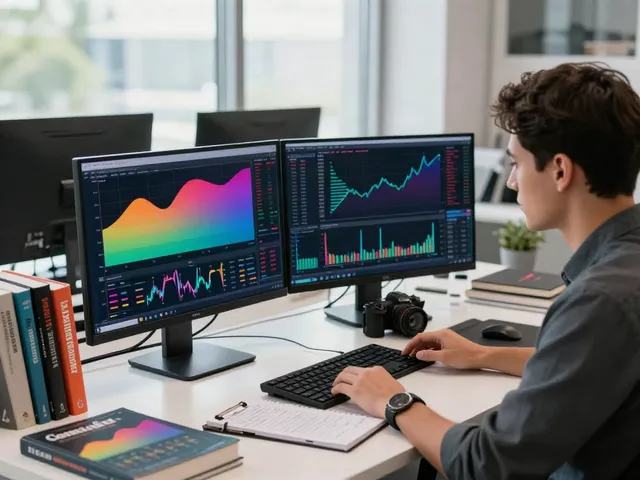
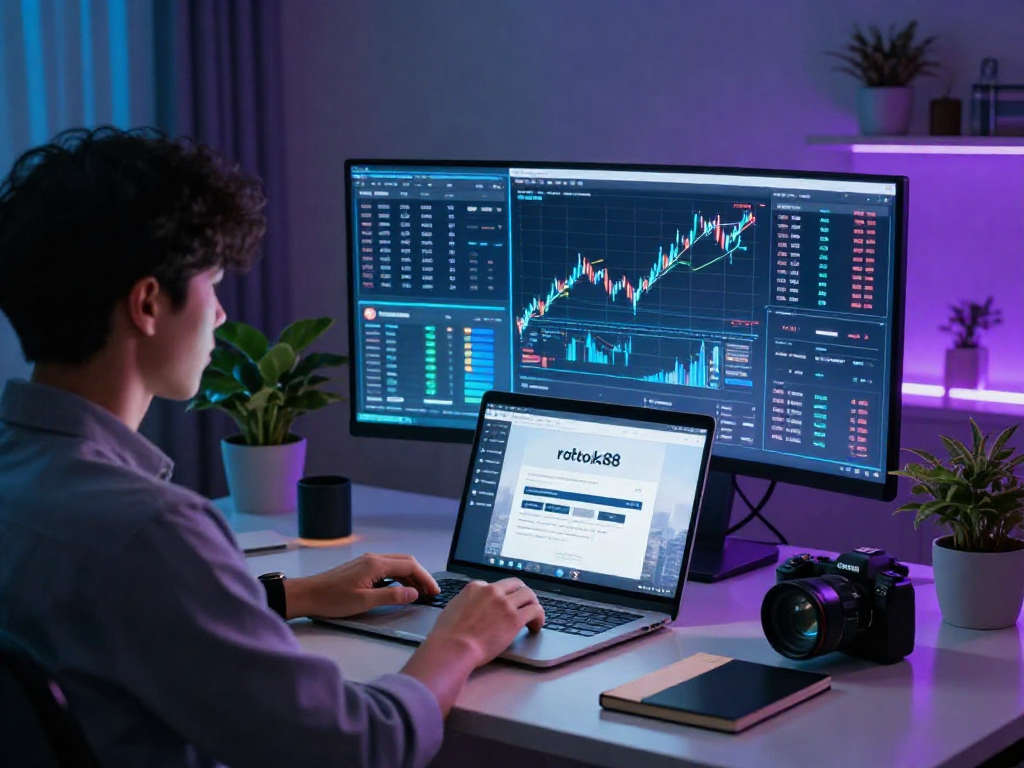
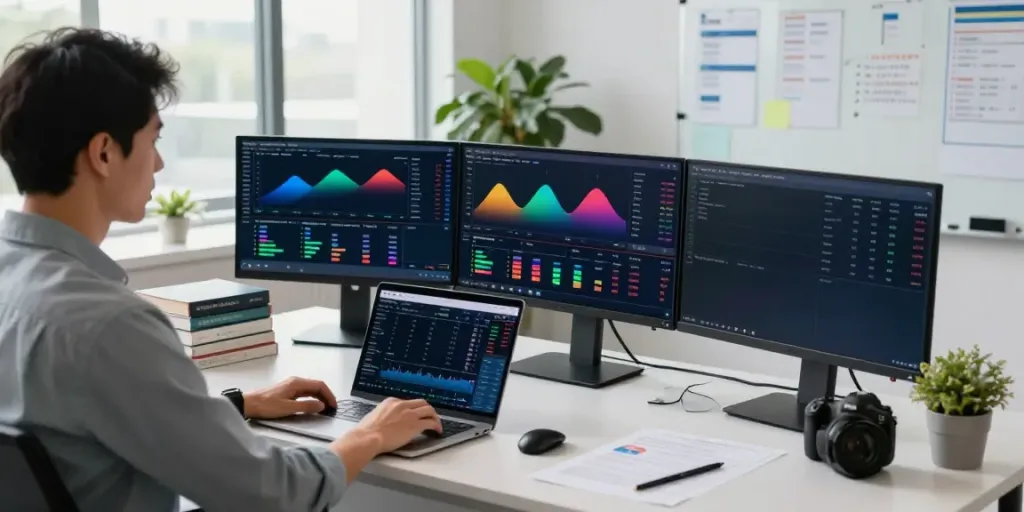
To maximize productivity, traders can customize their TradingView workspace. This includes arranging multiple charts side by side, utilizing different chart types, and placing key indicators within easy view. Customizing toolbars and layouts can significantly enhance the user experience, allowing traders to focus on what matters most—their trading decisions.
Utilizing Trading Tools and Resources
Charts and Technical Indicators Overview
TradingView offers a robust set of charting tools designed to accommodate both novice and experienced traders. Users can choose from various chart formats, including candlestick, line, and bar charts, depending on their preference. Additionally, an extensive library of technical indicators, such as moving averages and RSI, can be applied to charts, helping traders analyze market trends effectively.
Configuring Alerts for Market Movements
Setting alerts is a crucial feature for successful trading. TradingView allows users to configure notifications based on price levels, technical indicators, or even custom Pine Script conditions. This feature not only saves time but also enables traders to react promptly to market changes, thereby increasing their chances of securing profitable trades.
Using Pine Script for Custom Strategies
Pine Script, TradingView's proprietary scripting language, enables traders to develop personalized indicators and strategies. This powerful tool allows for extensive customization, letting users backtest their strategies in real-time. By validating trading hypotheses against historical data, users can refine their methodology before executing trades in live markets.
Developing Effective Trading Strategies
Backtesting with TradingView’s Strategy Tester
Backtesting is an essential step in developing a robust trading strategy. TradingView’s Strategy Tester allows traders to apply their strategies to historical data, gaining insights into their potential performance. This feature enables users to analyze win rates, drawdowns, and risk-reward ratios, which are critical for making informed trading decisions.
Building a Repeatable Research Process
To achieve consistent results, traders must create repeatable research processes. This involves using TradingView’s screening tools to identify potential trading opportunities based on specific criteria. By documenting trades, analyzing outcomes, and continuously adjusting strategies, traders can develop a more systematic approach to their trading endeavors.
Analyzing Market Trends Through Community Insights
One of TradingView's significant advantages is its thriving community of traders. Users can browse shared market analyses, insights, and trading strategies. Engaging with the community not only provides fresh perspectives but also fosters learning and growth among traders at all levels.
Future Trends in Trading with TradingView
Emerging Technologies and Trading Tools in 2026
As technology continues to evolve, so does the landscape of trading. By 2026, we can expect to see the integration of artificial intelligence and machine learning within trading platforms like TradingView. These technologies will offer predictive analytics that can enhance decision-making processes, helping traders stay ahead of market trends.
The Rise of Social Trading Communities
Social trading is gaining traction, with platforms like TradingView leading the charge. As more traders seek collaborative experiences, the demand for social trading features will increase. This shift will enable traders to share insights and strategies more seamlessly, fostering a more engaged trading community.
Adapting to Market Changes and Innovations
The financial markets are constantly evolving, and successful traders must adapt to these changes. TradingView is positioned to support this adaptability through its real-time data analytics and customizable features. Traders who leverage these tools will be better equipped to navigate market volatility and capitalize on emerging opportunities.